Good Job: Why Being Specific With Praise Makes the Difference
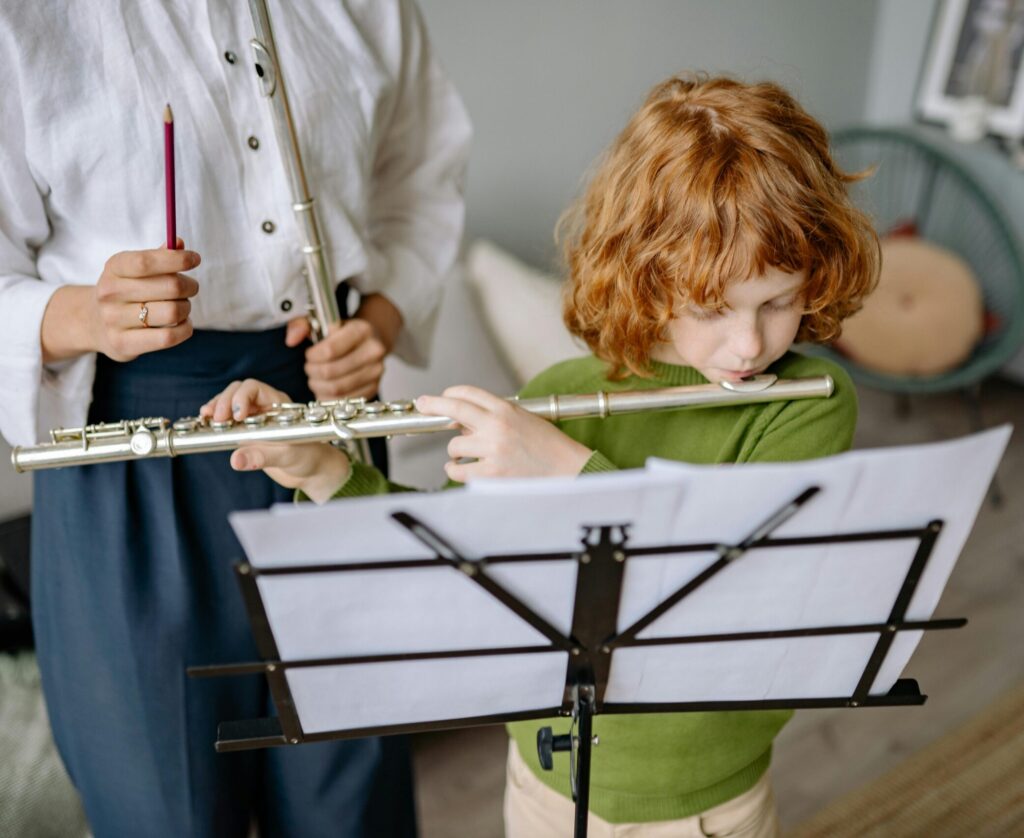
Like a true former band geek, I was listening to some old songs from high school and university band this week, and into my head popped a memory of a concert rehearsal around sophomore or junior year. Out on stage, in front of the class, my teacher had complimented my playing that day as “really good, like collegiate level.” I could have burst. I went running up to him as soon as we were wrapping up. True, on some level, I was probably seeking out more positive attention and regard, but I genuinely wanted to know what was so good that day, or how it was different from other days. “Uh…I don’t know,” he had said with furrowed brows. “It just sounded good.” I felt oddly deflated.
That moment stuck with me far longer than the compliment itself. Not because it wasn’t kind. It was. And not because I didn’t believe him. I did. But because I couldn’t use it. I didn’t know what I had done right, so I had no way to do it again.
And that’s the quiet problem with vague praise like “good job,” “nice work,” or “that was great.” It feels good in the moment but it doesn’t actually teach anything.
Why “Good Job” Doesn’t Do A Good Enough Job
When we give vague praise, we’re communicating approval without information. To a child, “good job” could mean:
- “I liked that you sat still”
- “I liked that you answered quickly”
- “I liked that you were quiet”
- “I liked that you finally stopped doing something I didn’t like”
They’re left guessing. And when kids have to guess, they often guess wrong…or they don’t learn anything at all, and nothing changes.
From a behavior perspective, reinforcement works best when it’s clear and immediate. If we want a behavior to happen again, the child needs to know exactly what behavior “worked.”
Behavior-specific praise answers the question my younger self asked in that rehearsal: What exactly did I do that made that good, and how can I do it again?
How to Form Specific Alternatives to “Good Job”
Template 1: “I love how you __” (“I love how you kept your eyes on your paper while you were working.”)
Template 2: Label + praise (“You asked for help so calmly—that was awesome” or “You stayed with that problem even when it got tricky. That’s persistence.”)
Template 3: Gratitude/emotional hook (“Thank you so much for helping clean up. That really helped me out” or “I appreciate you giving me the first turn–you’re such a kind friend!”)
The Emotional Piece (We Don’t Talk About Enough)
Here’s the part people don’t always expect: behavior-specific praise doesn’t make praise less warm, just because it’s informative. It makes it more meaningful.
Think back to a time someone gave you feedback that was specific and thoughtful:
- “You explained that really clearly.”
- “I noticed how patient you were in that conversation.”
- “Your writing pulled me in right away.”
It lands differently, right? That’s because it feels true. It shows attention. It shows you were actually seen. Kids feel that too.
To relate this to behaviorism principles and concepts, the magnitude or quality of the reinforcement (praise) increases when we’re specific, which then has a greater impact on future behavior. If you were paid $10 a day to be out of bed within 2 minutes of your alarm, you’d probably be pretty consistent, but if it was $1000, you might just be out of bed before the alarm even goes off!
Don’t Overlook Frequency
Along with this concept, I want to be sure to mention the value of “catching them being good.” Don’t wait for big instances to use behavior-specific praise. Instead, try to build this into daily routines.
Practice noticing a behavior you want to keep seeing from your child, then delivering a positive statement on this behavior. You might consider having on hand or in the back of your mind a few short “scripts” of statements. You can use the “templates” above in the “How to Form Specific Alternatives to ‘Good Job’” section or our printable card for guidance.
Final Thoughts
If my band director had said something like, “Your articulation was really clean today, and you kept your tempo consistent,” I would have walked away not just proud, but equipped. That’s the goal: not just to make kids feel good in the moment (though that matters too), but to give them something they can repeat, build on, and eventually do without us.
Because “good job” feels nice. But knowing why it was good? That’s what actually helps kids grow.
by Britt Bolton, BCBA
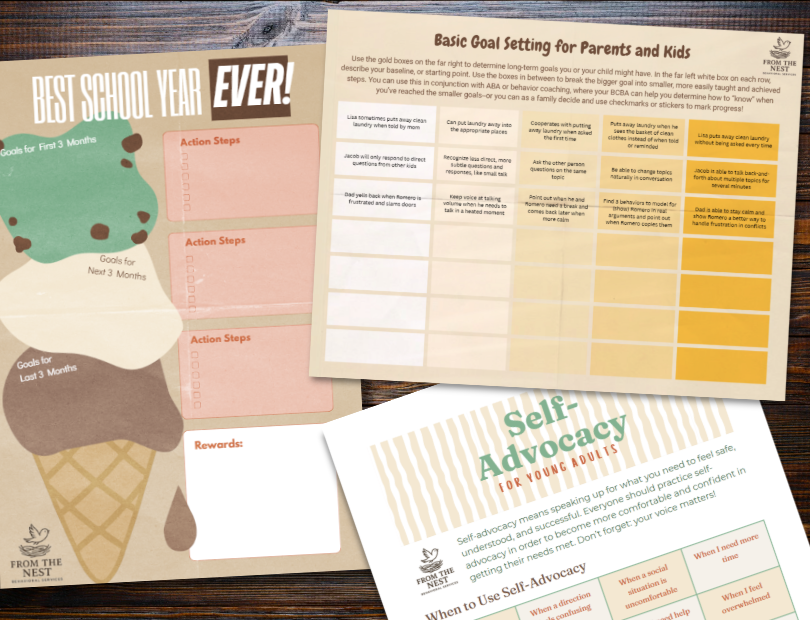
Look at our FREE Printable Resources page for routine visual supports, checklists, goal-setting worksheets, teen and young adult guides to jobs and self-advocacy, and more!